Discover how Smartboard interactive displays transform traditional classrooms into dynamic hubs of active learning, boosting student engagement, academic performance, and hybrid collaboration.
From Passive Listening to Active Cognitive Engagement
For decades, traditional classroom environments relied heavily on static chalkboards, dry-erase whiteboards, and standard video projectors. These classic tools often fostered one-way, passive learning where educators presented information and students copied notes. However, modern cognitive learning theory demonstrates that deep, lasting understanding occurs when learners actively process, reflect upon, and apply new concepts rather than simply memorizing facts.
Smartboard interactive displays serve as a central digital bridge in this transformation. By combining 4K Ultra-HD resolution, multi-touch screens, and versatile educational software, interactive flat panels convert static lessons into hands-on, highly participative learning experiences.
1. Multimodal Learning for Every Type of Student
Every classroom contains students with diverse learning styles and cognitive processing needs. Interactive displays allow educators to address multiple modalities simultaneously within a single lesson plan:
- Visual Learners: High-contrast 4K UHD resolution brings complex diagrams, 3D anatomical models, and educational animations to life with vivid clarity.
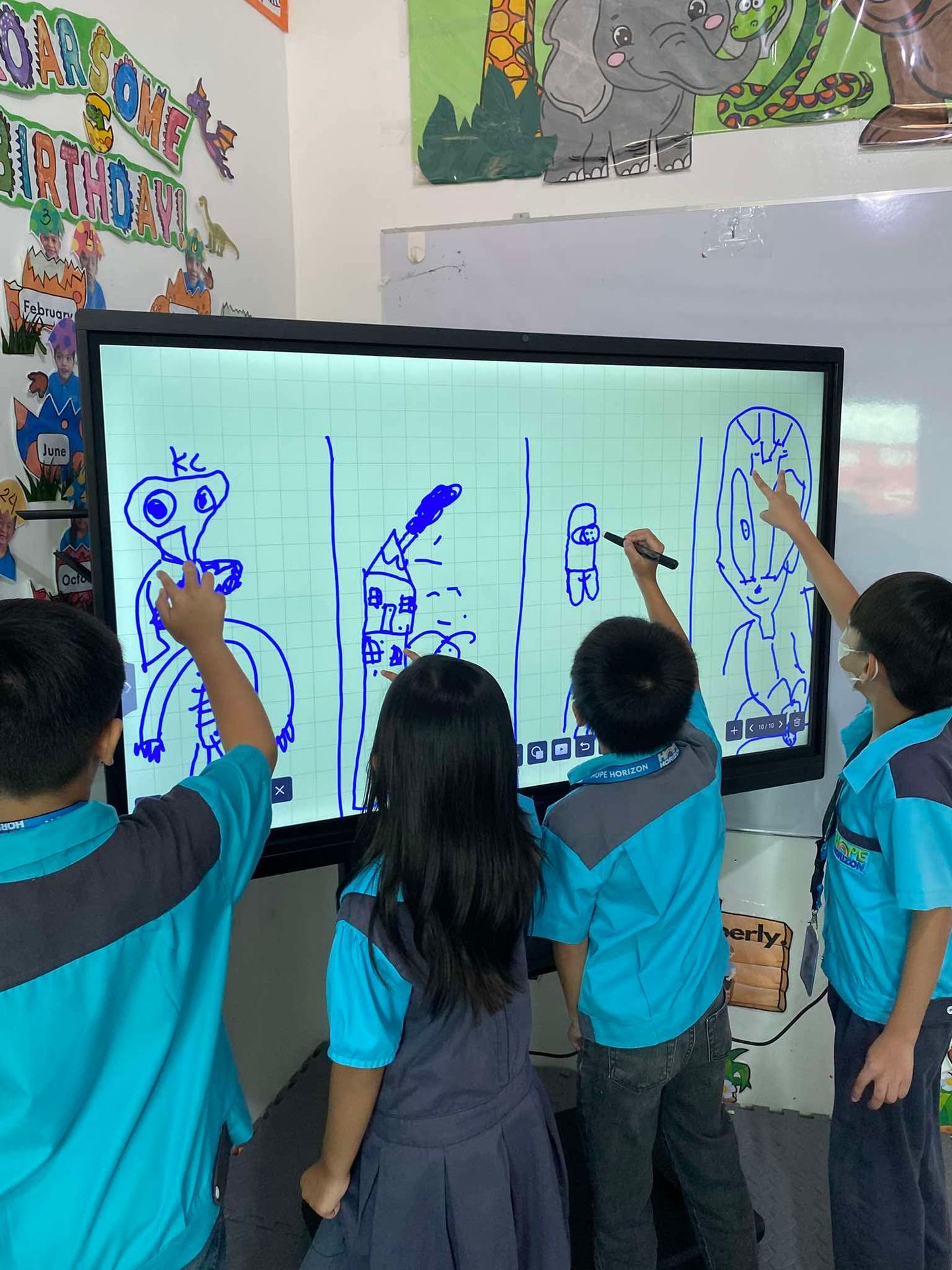
- Kinesthetic Learners: Hands-on touchscreen capabilities allow students to physically interact with lesson elements—manipulating shapes, writing equations, and solving interactive puzzles directly on the display.
- Auditory Learners: Built-in high-fidelity speakers ensure that educational videos, language tutorials, and class discussions are clearly heard across the entire room.
By appealing to multiple senses at once, interactive displays help students connect new concepts to prior knowledge, improving memory retention and building confidence.
2. Enhanced Classroom Collaboration and Multi-Touch Interaction
Traditional whiteboards restrict interaction to one person at a time, creating a sequential bottleneck. In contrast, Smartboard PH interactive displays feature high-speed 40-point infrared touch precision, enabling multiple students to write, draw, and solve problems side-by-side without interfering with each other.
Whether running small-group brainstorming sessions, concept mapping, or collaborative math challenges, multi-touch technology fosters real-time teamwork and peer-to-peer learning. Furthermore, students can wirelessly mirror their personal laptops, tablets, or smartphones directly onto the screen using multi-screen sharing, allowing them to present group projects instantly without untangling cables.
3. Measurable Academic Gains and Proven Student Engagement
The introduction of interactive smartboards yields clear, measurable improvements in student participation and academic outcomes:
- Higher Classroom Engagement: In a Manila public school case study, implementing interactive Smartboards led to a 30% increase in student engagement, with teachers reporting noticeably higher enthusiasm among visual and kinesthetic learners.
- Quantifiable Academic Achievement: An extensive impact study on primary school digital classrooms equipped with interactive whiteboards demonstrated significant test score increases in mathematics (+0.186 standard deviations overall, and +0.404 standard deviations in urban classrooms). Researchers noted that these learning gains persisted into subsequent grade levels.
4. Inclusive, Hybrid Learning and Access for All
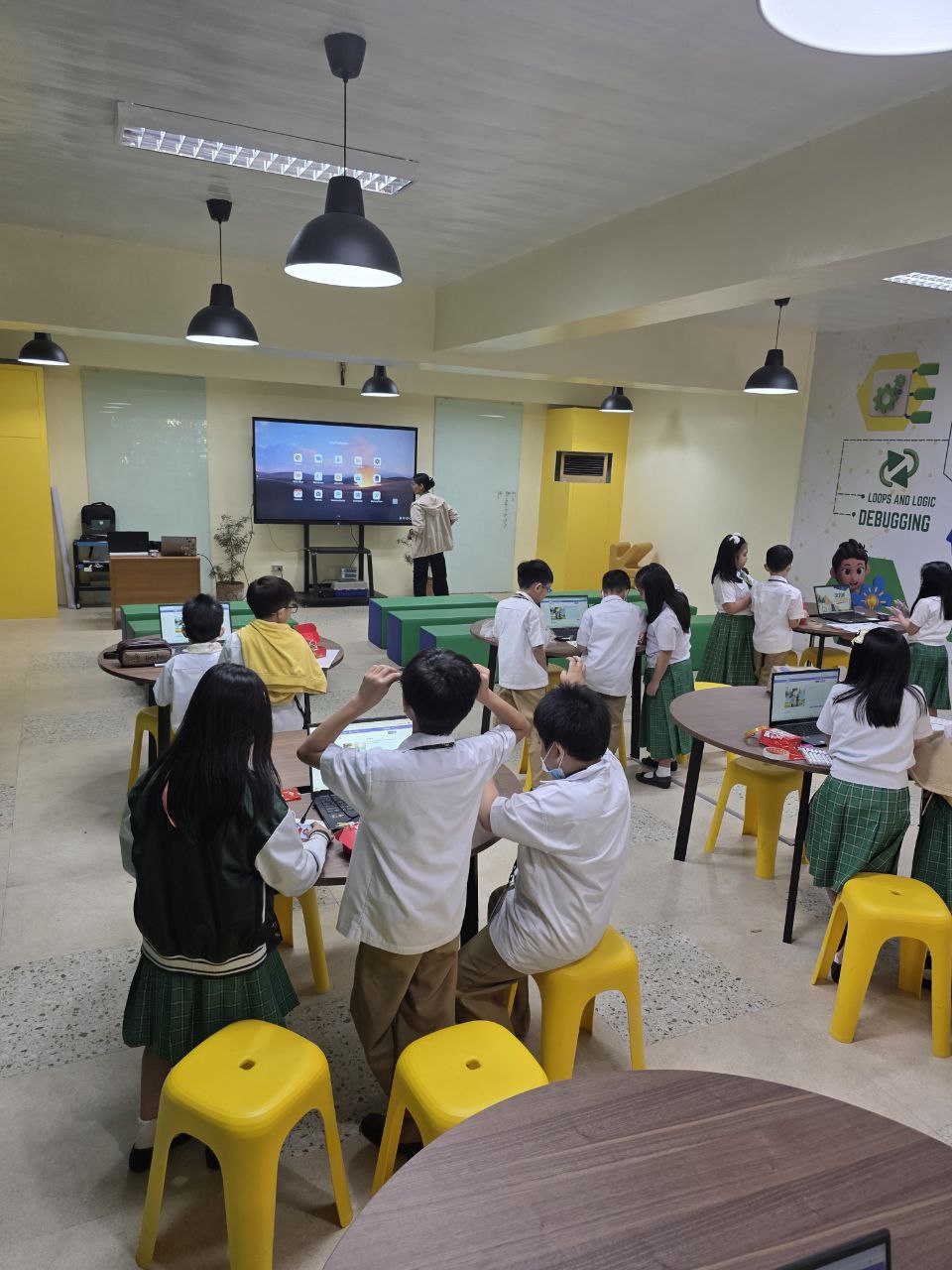
Modern education increasingly requires flexibility for hybrid environments and diverse student needs. Interactive displays support seamless accessibility and distance learning:
- Hybrid and Remote Connectivity: Equipped with integrated video conferencing software (supporting platforms like Google Meet, Microsoft Teams, and Zoom) and built-in cameras and microphones, displays keep remote students connected to the physical classroom in real time.
- Inclusive Assistive Tools: Built-in digital features—such as text magnification, digital color adjustments, and screen recording—ensure that students with visual impairments or learning differences receive personalized support. Lessons can also be saved digitally and shared with absent students for self-paced review.
5. Long-Term Value, Lower Maintenance, and Sustainability
While traditional video projectors might seem cheaper initially, they carry hidden recurring costs, including frequent bulb replacements, lens calibration, and higher power consumption. Interactive flat panels offer exceptional long-term Return on Investment (ROI) for educational institutions:
- Durable and Low-Maintenance: Engineered for intense daily classroom use, interactive panels offer an average operational lifespan of 50,000 hours without degradation in image quality, completely eliminating bulb replacement costs.
- Eco-Friendly Paperless Classrooms: Teachers can distribute digital worksheets and annotate documents directly on screen, dramatically reducing paper consumption, printing costs, and environmental waste.
- Energy Efficiency: Certified ENERGY STAR® displays feature automatic sleep modes and ambient light sensors to lower electricity usage across school facilities.
Transform Your Classrooms with Smartboard PH Today
Ready to replace static lectures with vibrant, interactive learning experiences? Smartboard PH delivers cutting-edge interactive flat panels—ranging from entry-level essentials to flagship 4K Ultra-HD displays—backed by professionally trained in-house technical support.